 |
 |
 |
 |
 |
If you are aware of any social or cultural events around Dvaita philosophy, Click Here to add them on this website Hari Sarvotthama Vayu Jeevotthama |

| |
|
|
|
|
If you are aware of any social or cultural events around Dvaita philosophy, Click Here to add them on this website Hari Sarvotthama Vayu Jeevotthama |
|
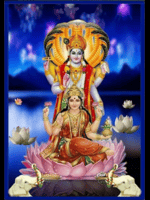
Hari (Viṣṇu)
• Supreme, independent reality (Svatantra tattva)
• Possesses infinite auspicious qualities
• Cause, sustainer, controller of everything
• Never subject to ignorance, karma, or bondage Hari alone is Parabrahman
|
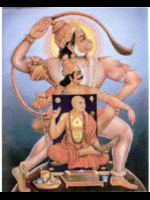
Vāyu (Mukhya Prāṇa)
• Highest jīva (but still a jīva, not God)
• Eternally dependent on Hari (paratantra)
• Greatest knower of Hari among all souls
• Instrument of creation, sustenance, dissolution
• Incarnates as Hanumān → Bhīma → Madhva
|
|
Hari (Viṣṇu) – Supreme, independent
↓
Vāyu (Mukhya Prāṇa) – highest jīva
↓
Brahmā
↓
Other Devas
↓
Humans
↓
Other beings
|
|
Key Dvaita doctrine:
Difference (bheda) between Hari and Vāyu is real, eternal, and never erased, even in mokṣa.
Devotion flow:
All worship → through Vāyu → reaches Hari (This is why Madhva tradition emphasizes Vāyu so strongly.)
|
|
Hari (Nārāyaṇa)
• Supreme Brahman with attributes
• The inner controller (Antaryāmin) of all
• Souls and matter are His body
• Absolutely supreme, personal God
|
Vāyu
• A very exalted jīva
• One of the highest eternal servants of Nārāyaṇa
• Has great power and knowledge due to divine grace
• Still a mode (prakāra) of Brahman, not independent Relationship
• Hari is the whole
• Vāyu is a part of the whole
• Difference exists, but within inseparable unity
|
|
Hari (Viṣṇu)
• Īśvara at the empirical level (vyāvahārika)
• Brahman associated with māyā
• Worshipped for liberation, but ultimately transcended
|
Vāyu
• A deva within māyā • A functional cosmic force • No eternal superiority over other jīvas
|
| Level | Status |
| Pāramārthika | No Hari, no Vāyu, no hierarchy |
| Vyāvahārika | Hari as Īśvara, Vāyu as deva |
| Prātibhāsika | Illusory distinctions |
| Aspect | Dvaita | Viśiṣṭādvaita | Advaita |
| Hari | Supreme, personal God | Supreme personal Brahman | Empirical Īśvara |
| Vāyu | Highest jīva, eternal | Exalted jīva | Deva under māyā |
| Hierarchy | Eternal, absolute | Real but organic | Ultimately unreal |
| Difference | Eternal bheda | Difference-in-unity | Dissolved in mokṣa |
| Mokṣa | Eternal service | Eternal service | Identity with Brahman |
| Aspect | Dvaita (Madhva) | Viśiṣṭādvaita (Rāmānuja) |
| Vāyu’s rank | Eternally highest jīva | Exalted but not unique |
| Tarātamya | Eternal | Functional |
| Relation to Brahmā | Higher | Comparable |
| Mediation | Essential | Not essential |
| Mokṣa status | Hierarchy remains | Bliss equal |
| Hanumān–Bhīma–Madhva | Same Vāyu | No such doctrine |
| School | Core slogan | Core idea |
| Advaita | Brahma satyam… | Absolute non-duality |
| Viśiṣṭādvaita | Śrīman Nārāyaṇaḥ eva parabrahma | Qualified non-duality |
| Dvaita | Hari sarvōttama, Vāyu jīvōttama | Eternal dualism |