

Traditional mapping of cosmic ages, avatāras, and texts
| Yuga | The 4 Legs of Dharma | State of Dharma | Scripture | |||
| Satya | Daya | Tapas | Dana | |||
| 🟡 Satya (Kṛta) Yuga | ✔ | ✔ | ✔ | ✔ | No leg lost. Dharma is complete | Upaniṣadic wisdom (later compiled), early Purāṇic themes |
| 🔵 Tretā Yuga | ✔ | ✔ | ❌ | ✔ | People no longer sustain righteousness effortlessly • External yajñas and rituals become necessary • Discipline exists, but only through structure | Rāmāyaṇa (Vālmīki) |
| 🟢 Dvāpara Yuga | ✔ | ❌ | ❌ | ✔ | Dayā (compassion weakens) • Society becomes competitive and divided • Partiality, violence, and moral ambiguity increase • Dharma and adharma intermingle | Mahābhārata, Bhagavad Gītā |
| 🔴 Kali Yuga | ✔ | ❌ | ❌ | ❌ | Greed and self-interest dominate • Charity becomes transactional • Compassion is selective | Bhāgavata Purāṇa, Viṣṇu Purāṇa, Sahasranāmas, Stotras |
Note: Yugas correspond to the time of events and avatāras, not to when texts were written or compiled. Many scriptures were systematised by Vedavyāsa at the Dvāpara–Kali transition.
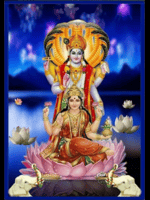
In Hindu tradition—especially in Vaiṣṇava and Purāṇic theology—the Supreme Deity (Nārāyaṇa / Viṣṇu) remains the same in all Yugas. What changes is the form (avatāra) through which He primarily upholds dharma in each age.
This is stated in: Upaniṣads (Nārāyaṇa Sūkta), Bhagavad Gītā (4.7–8), Purāṇas
Below is the standard, widely accepted Yuga–Avatāra mapping.
| Yuga | Primary Avatar (Form) | Nature of Worship | Manifestation / Identiry |
Mode of Dharma |
Kṛta (Satya) Yuga |
Nārāyaṇa (cosmic, four-armed) | Meditation and jñāna |
|
No “human king avatāra” needed because dharma is complete |
Tretā Yuga |
Śrī Rāma | Yajña and righteous action | Maryādā Puruṣottama (ideal ruler) | Dharma upheld through perfect conduct. |
Dvāpāra Yuga |
Śrī Kṛṣṇa | Mixed bhakti, karma, and jñāna | Pūrṇa Avatāra (complete manifestation) | Dharma taught through divine counsel (Gītā) and līlā. |
Kali Yuga |
Kalki (yet to appear) |
Nāma-smaraṇa (chanting the Divine Name) |
Nāma-rūpa of Viṣṇu (Hari) | Bhagavān is accessible primarily through His Name. |