Hindu philosophy (Āstika Darśanas) is a vast and ancient system of thought that
explores truth (satya), reality (tattva), duty (dharma), liberation (mokṣa),
and the nature of the self (ātman) and God (Īśvara). It is rooted in the Vedas,
Upaniṣads, Bhagavad Gītā, Purāṇas, and philosophical texts (sūtras and bhāṣyas).

Core Concepts
| 1. |
Dharma
|
Moral order and righteous duty governing individual, social,
and cosmic life.
|
2.
|
Karma
|
Law of action and consequence; actions shape future
experiences and rebirths.
|
3.
|
Saṃsāra
|
Cycle of birth, death, and rebirth driven by karma and
ignorance.
|
4.
|
Mokṣa
|
Liberation from saṃsāra through knowledge, devotion, or
disciplined action.
|
5.
|
Ātman
|
The eternal self or soul; distinct from body and mind.
|
6.
|
Brahman
|
Ultimate reality; infinite, eternal, and the source of all
existence.
|
Major Philosophical Schools (Darśanas)

Āstika (Vedic) Schools
1.
|
Nyāya
|
Logic and epistemology
|
2.
|
Vaiśeṣika
|
Atomism and categories of reality
|
3.
|
Sāṃkhya
|
Dualism of Puruṣa (soul) and Prakṛti (matter)
|
4.
|
Yoga
|
Practical discipline for liberation
|
5.
|
Mīmāṃsā
|
Vedic ritual and duty
|
6.
|
Vedānta
|
Upaniṣadic philosophy (most influential)
|
Major Vedānta Systems
Advaita
|
(Śaṅkara)
|
Non-dualism; Brahman alone is real
|
Viśiṣṭādvaita
|
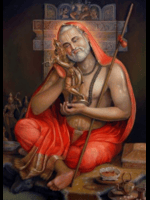
(Rāmānuja)
|
Qualified non-dualism; soul and world are attributes of God
|
Dvaita
|
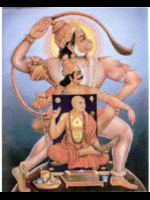
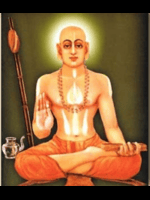
(Madhvācārya)
|
Dualism; God, soul, and matter are eternally distinct
|
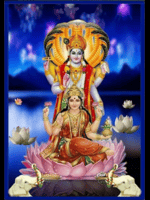
(Dvaita strongly emphasizes devotion to Viṣṇu and the supremacy of Īśvara.)

Paths to Liberation (Yoga)
1.
|
Jñāna Yoga
|
– Path of knowledge
|
2.
|
Bhakti Yoga
|
– Path of devotion
|
3.
|
Karma Yoga
|
– Path of selfless action
|
4.
|
Rāja Yoga
|
– Path of meditation and discipline
|
Key Characteristics
	•	Pluralistic and inclusive
	•	Allows multiple valid paths to truth
	•	Integrates philosophy with daily life
	•	Sees spirituality, ethics, and metaphysics as inseparable