

Madhva vs Ramanuja
Here is a clear, side-by-side contrast of Madhva (Dvaita) vs Rāmānuja (Viśiṣṭādvaita) specifically on Vāyu, because that’s where people most often get confused. This will also indirectly show why Advaita rejects both views.
VĀYU IN DVAITA vs VIŚIṢṬĀDVAITA
(Focused comparison — no mixing doctrines)
| Where they agree | The decisive difference |
|
Starting point: what both agree on
Both Dvaita and Viśiṣṭādvaita agree that:
• Hari / Nārāyaṇa alone is Supreme
• Vāyu is not God
• Vāyu is an exalted jīva
• Vāyu has immense power and knowledge
• Devotion (bhakti) is central
Agreement ends here.
|
Tarātamya (hierarchy among souls)
Dvaita (Madhva)
• Hierarchy among jīvas is eternal
• Souls are not equal, even in mokṣa • Vāyu is eternally the highest jīva
• His superiority is ontological, not honorary
Viśiṣṭādvaita (Rāmānuja)
• Souls differ in function and capacity
• But all liberated souls are equal in bliss
• Vāyu is exalted due to office and grace
• Not eternally superior in essence
This one doctrine changes everything.
|
|
3. Position of Vāyu in Dvaita
Ontological status
• Vāyu = second only to Hari
• Eternally superior to Brahmā, Śiva, others
• Never falls, never deluded
• Has maximum capacity for Hari-jñāna
Role
• Cosmic regulator of prāṇa
• Mediator of knowledge and devotion
• Chief teacher of tattva-jñāna
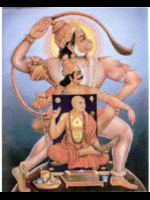
• Incarnates as Hanumān
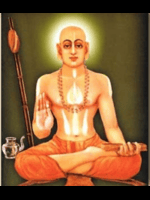
→ Bhīma → Madhva
Key Dvaita idea
Even in mokṣa, Vāyu remains higher than other jīvas
Liberation does not flatten hierarchy.
|
4. Position of Vāyu in Viśiṣṭādvaita
Ontological status
• Vāyu = a very great jīva
• One among many eternal servants of Nārāyaṇa
• Not singled out as eternally second
• Superiority is functional, not absolute
Role
• Performs cosmic functions
• Serves Nārāyaṇa directly
• One of the Nitya-sūris / exalted servants
• No exclusive mediation role In mokṣa
• Vāyu enjoys the same bliss as other liberated souls
• Difference is only in service role, not status
|
|
5. Scriptural interpretation difference
Example: “Prāṇo hi bhūtānām āyuḥ”
(Prāṇa is the life of beings)
• Madhva:
→ Refers to Mukhya Prāṇa (Vāyu)
→ Indicates metaphysical superiority
|
• Rāmānuja:
→ Refers to prāṇa as divine function
→ Does not imply jīva-hierarchy
Same text, very different metaphysics.
|
|
6. Mediation: a critical dividing line
Dvaita
• Knowledge of Hari flows through Vāyu
• Vāyu is the chief guru-tattva
• Hence Madhva identifies himself as Vāyu
No true Viṣṇu-jñāna without Vāyu’s grace
|
Viśiṣṭādvaita
• Nārāyaṇa alone is guru
• Ācārya is respected, but not ontologically unique
• No single jīva has exclusive mediation power
|
|
7. Where Advaita rejects both
Advaita says:
• All hierarchy is vyāvahārika (provisional)
• Vāyu is a deva within māyā
• No eternal difference between souls
• No servant–Lord duality in mokṣa
So from Advaita’s view:
Dvaita goes “too far” with hierarchy
Viśiṣṭādvaita goes “too far” with devotion
Only non-duality remains
|
|