

Why Vāyu is NOT equal to Brahmā in Dvaita
This is subtle and important.
In many texts:
• Brahmā = creator
• Vāyu = life-force
But Madhva distinguishes:
• Office vs Ontology
| Aspect | Brahmā | Vāyu |
| Post | Creator role Life principle | Creator role Life principle |
| Jīva-rank | Lower | Higher |
| Knowledge of Hari | Less | More |
| Dependency | On Vāyu | Directly on Hari |
So hierarchy is: Hari → Vāyu → Brahmā → others
Why Vāyu is the “Guru of the World” in Dvaita
Madhva cites:
• Vāyu as Tattva-abhimāni (controller of knowledge)
• Without Vāyu’s grace, true Viṣṇu-jnāna is impossible
Thus:
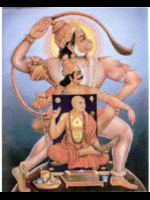
• Hanumān teaches Rāma-bhakti
• Bhīma establishes dharma
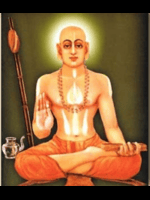
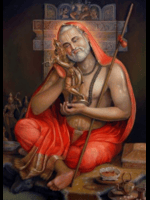
• Madhva restores correct Vedānta
This is why Madhva calls himself:
“Hariḥ eva guruḥ, Vāyuḥ eva guruḥ”
Hari is the ultimate Guru, Vāyu is the manifest Guru.
Absolute Boundary (Dvaita never crosses this)
Even with all this greatness:
• Vāyu is never God
• Never independent
• Never worshipped as supreme
Madhva is uncompromising here: Confusing Vāyu with Hari is mahā-doṣa (great error)
Final Dvaita Hierarchy (clean and exact)
|
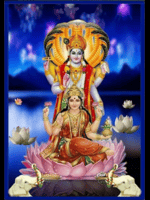
Hari (Viṣṇu / Nārāyaṇa)
↓
Vāyu (Mukhya Prāṇa – Hanumān–Bhīma–Madhva)
↓
Brahmā
↓
Śeṣa, Garuḍa, Śiva, Indra, other devas
↓
Humans
↓ Other beings
|
In Summary, the essence of Dvaita is:
Hari is infinitely supreme;
Vāyu is eternally the greatest servant;
Liberation is eternal service with hierarchy intact.