

1. Core Dvaita Principle (first, very important) Madhva begins with two eternal truths:
i) Hari (Viṣṇu) alone is Svatantra (independent reality)
ii) All others are Paratantra (dependent realities), but not equal among themselves.
So Dvaita accepts:
• Tarātamya → gradation / hierarchy among souls
• Vāyu = highest jīva, eternally second only to Hari
2. Who is Vāyu in Dvaita?
Vāyu is not just “wind”. He is:
• Mukhya Prāṇa (chief life principle)
• Abhimāni-devatā of prāṇa
• Jīva-ratna (greatest jewel among souls)
• The primary mediator between Hari and the world
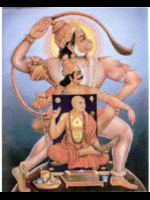
Madhva explicitly identifies:
Hanumān → Bhīma → Madhvācārya as the same eternal Vāyu-jīva in successive yugas.
3. Key Scriptural Citations Used by Madhva
(A) Vedas & Upaniṣads
Bṛhadāraṇyaka Upaniṣad (1.3.7)
“Vāyur vai kṣepiṣṭhā devatā” Vāyu is the most powerful among the devatās.
Madhva’s reading:
• Power = proximity to Hari
• Superiority among devas indicates highest jīva-status
Chāndogya Upaniṣad (4.3.2–8)
Prāṇa-śreṣṭha episode
All senses argue superiority → collapse → prāṇa departs → all fail.
Conclusion:
Prāṇa is supreme among the faculties
Madhva:
• This prāṇa is Mukhya Prāṇa (Vāyu)
• Shows cosmic indispensability
• Indicates ontological superiority among jīvas
(B) Mahābhārata (extremely central for Madhva)
Mahābhārata, Udyoga Parva
“Vāyuḥ sarva-bala-adhikaḥ” Vāyu is superior in strength to all.
Madhva:
• “Bala” = not just physical strength, but spiritual capacity
• Strength comes from greater knowledge of Hari
Mahābhārata, Vana Parva
Bhīma defeating devas and yakṣas effortlessly.
Madhva: • Bhīma’s superiority is not narrative exaggeration
• It reflects Vāyu’s eternal hierarchy
(C) Bhagavad Gītā
Gītā 10.31
“Pavatāṃ asmi mārutaḥ”
Among purifiers, I am Vāyu
Madhva’s bhāṣya:
• Viṣṇu identifying Himself with Vāyu indicates extreme closeness
• Not identity, but special representation
(D) Purāṇas
Bhāgavata Purāṇa (3.12, 11.16)
Prāṇa described as:
• Sustainer of gods
• Life of all beings
• Controller of bodily and cosmic functions
Madhva:
• These are functions of Mukhya Prāṇa, not ordinary air